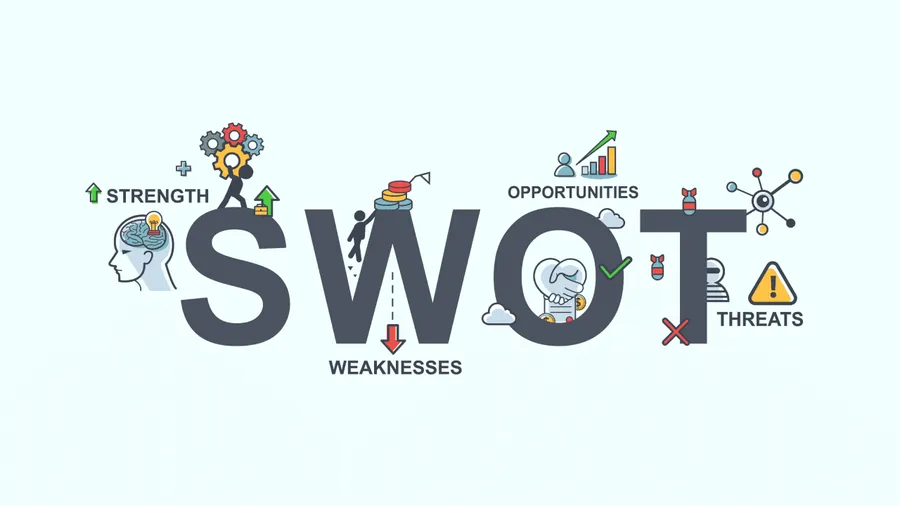
Go-Live Process Optimization

Led comprehensive SWOT analysis initiative that reduced client implementation timeline from 12+ weeks to 8 weeks and improved on-time Go-Live rate from 70% to standardized delivery.

SWOT Analysis Process Optimization

The Challenge

Our client implementation process was facing significant challenges that were impacting both team efficiency and customer satisfaction. With over 30 implementations in 2022, only 70% were delivered on time, creating a cascade of operational issues.

Key Issues Identified:
  • Last-minute heroics were becoming the norm to meet Go-Live deadlines
  • Inefficient team handoffs and communication gaps between departments
  • Client information delays causing mid-sprint releases and rushed accommodations
  • Revenue booking pressures creating anxiety across all teams involved
  • Inconsistent processes leading to reduced customer satisfaction when delays occurred

My Role & Objectives

  • Spearheaded the comprehensive SWOT analysis initiative across the entire Go-Live process
  • Facilitated cross-functional collaboration to gather insights from all stakeholders
  • Designed and executed a structured approach to identify strengths, weaknesses, opportunities, and threats
  • Led strategy development and action plan implementation to eliminate inefficiencies
  • Standardized processes to ensure consistent, predictable delivery outcomes
Primary Goal:

Pause the reactive cycle, systematically gather input from all teams, conduct thorough SWOT analysis, develop targeted strategies, and implement sustainable process improvements.

Methodology & Execution

  • Phase 1: Stakeholder Engagement & Data Collection
    • Kick-off meeting with all stakeholders to introduce the SWOT process and set clear expectations
    • Designed comprehensive survey asking teams to identify best/worst Go-Lives of 2022, simplest/most difficult implementations
    • Anonymous feedback system to encourage honest input while maintaining confidentiality
    • Collected insights from Implementation, Engineering, QA, Customer Success, Analytics, and Sales teams
  • Phase 2: Collaborative Analysis & Ideation
    • Facilitated group sessions to discuss survey results and validate findings
    • Used group collective wisdom to generate strategic improvement ideas
    • Created safe environment for teams to share thought processes and validate concerns
    • Consolidated and prioritized relevant items agreed upon by the group
  • Phase 3: Strategic Planning & Action Plans
    • Developed four strategic approaches: S+O (Strengths+Opportunities), S+T (Strengths+Threats), W+O (Weaknesses+Opportunities), W+T (Weaknesses+Threats)
    • Created detailed action plans for each strategic quadrant
    • Established critical path management and standardized deadlines
    • Designed master schedule for all implementations to avoid conflicts
  • Phase 4: Implementation & Process Standardization
    • Standardized client onboarding for app menu customizations
    • Created automated scripts for repetitive implementation tasks
    • Aligned implementation cycles with sprint cadence
    • Established future Go-Live scheduling system considering dependencies and team capacity

Process Improvements Delivered

Standardized Inbound Process:
Created standardized collection method for app hamburger menu customizations, enabling full automation where software teams simply run scripts to add menus and preset standard configurations for all clients.
Sprint-Aligned Implementation:
Synchronized implementation cycles with development sprints, establishing standard deadlines and eliminating disruptive mid-sprint releases that previously caused team stress and quality issues.
Master Schedule & Critical Path:
Implemented comprehensive scheduling system that considers all implementations simultaneously, preventing conflicts and enabling proactive delay management with alternative Go-Live dates.
Automated Reporting:
Standardized client reports are now pre-configured and auto-triggered based on implementation cadence, reducing manual setup time and ensuring consistency across all clients.
Analytics Efficiency:
Streamlined analytics team velocity by reducing setup time for call lists and reporting through standardized templates and automated processes.
Risk Mitigation:
Established proactive communication channels and buffer management to handle client-side delays without impacting other implementations or requiring emergency measures.

Results & Impact

20%
Timeline reduction (10→8 weeks)
70% → 95%+
On-time Go-Live rate improvement
100%
Automation of menu setup process
30+
Stakeholders engaged across teams
Key Achievements:
  • Eliminated last-minute heroics through predictable, standardized processes
  • Improved team morale by removing anxiety-inducing rush scenarios
  • Enhanced customer satisfaction through consistent, reliable delivery
  • Reduced operational costs by eliminating redundant manual processes
  • Created scalable framework that supports business growth without proportional resource increase

Key Learnings & Methodology

This initiative demonstrated the power of systematic process analysis and collaborative problem-solving. The SWOT framework provided structure while the anonymous feedback system encouraged honest assessment of existing challenges.

Critical Success Factors:
  • Psychological safety - Creating environment where teams felt safe sharing honest feedback
  • Data-driven decisions - Basing improvements on actual team experiences rather than assumptions
  • Collaborative ownership - Ensuring all teams contributed to both problem identification and solution development
  • Systematic implementation - Moving from reactive fixes to proactive, sustainable processes